
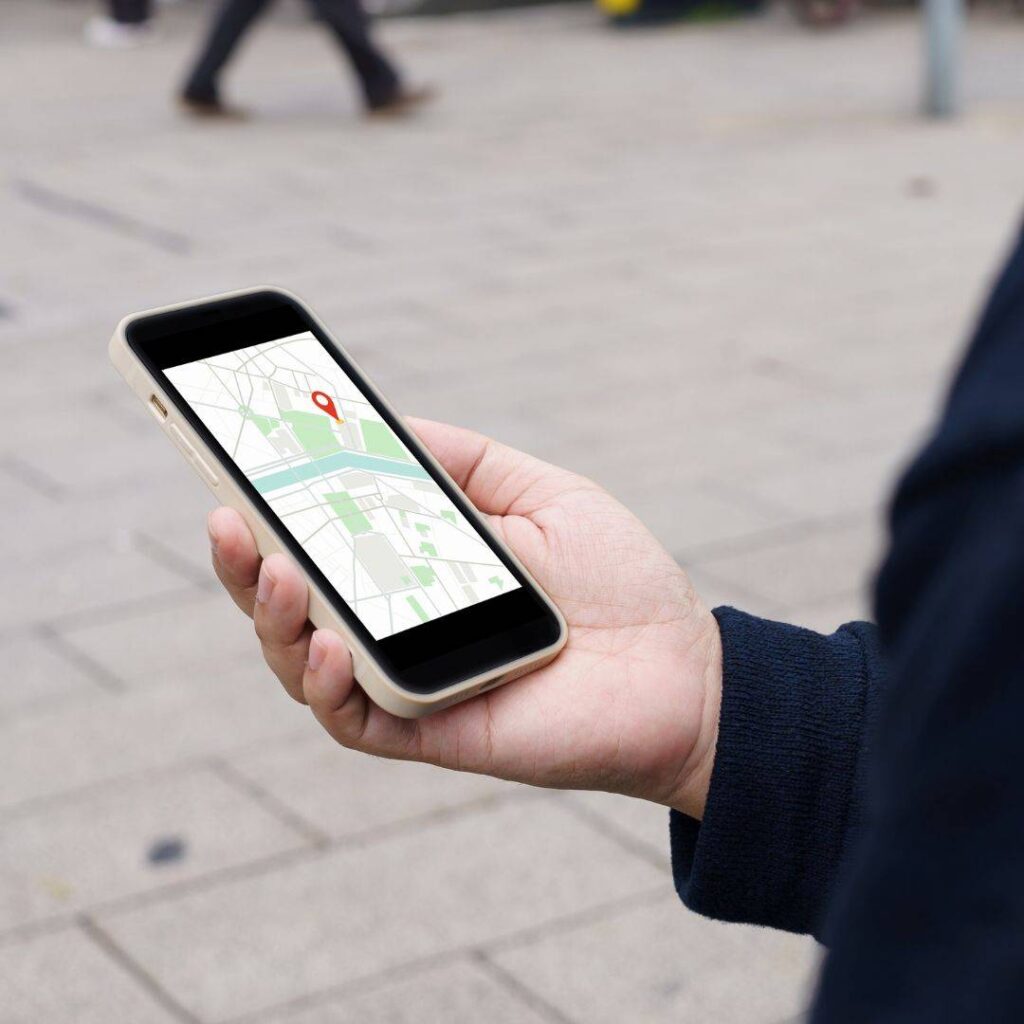
If you’re running a local business, showing up in Google’s Map Pack can be the difference between a packed schedule and radio silence. The Map Pack (also called the Local Pack or 3-Pack) is the set of three business listings that appear above organic results when someone searches for a local service—think “plumber near me” or “pizza in Doylestown.”
So how do you earn one of those coveted spots? In this guide, we’ll break down how to rank in Google Map Pack using strategies that are practical, proven, and aligned with Google’s quality standards. No fluff. No outdated hacks. Just what works.
Why Ranking in the Google Map Pack Matters
Before we get tactical, let’s get clear on the value. Ranking in the Google Map Pack means:
- Visibility where it matters – You appear above traditional organic listings.
- Increased phone calls and direction requests – People find you and act, fast.
- Higher trust – Google’s Map Pack results are seen as more credible.
- Mobile dominance – Most mobile users will never scroll past it.
And here’s the kicker: even if your website isn’t ranking at the top, your business still can—if your Google Business Profile (GBP) is optimized right.
The Three Key Signals Behind the Map Pack
Google uses three core signals to determine how to rank in Google Map Pack:
- Relevance – How well your business matches the searcher’s intent.
- Distance – How close your business is to the person searching.
- Prominence – How well-known and trustworthy your business appears online.
You can’t change your location, but you can control how relevant and prominent your business is. That’s where strategy comes in.
How to Rank in Google Map Pack
Step 1: Claim and Optimize Your Google Business Profile
If your Google Business Profile isn’t fully set up, that’s step one—and it’s non-negotiable.
Claim your profile: Go to google.com/business and walk through the verification process.
Complete every section: Business name, address, phone number, website, hours, services, and categories. The more complete, the better.
Choose the right categories: Your primary category should match your core service (e.g., “Chiropractor” or “Water Softening Equipment Supplier”). Supporting categories can expand your reach.
Add high-quality photos: People—and Google—prefer profiles that look alive.
Use keywords naturally: Don’t stuff, but use phrases your customers would search. For example, “custom cabinetry in Warrington” or “roofing repair in Quakertown.”
Step 2: Consistent NAP and Local Citations
Your business Name, Address, and Phone Number (NAP) must be consistent across the internet.
Why? Because Google checks your business data across hundreds of directories to validate that you’re legit. Inconsistent info sends mixed signals—and mixed signals kill rankings.
🎯 Action plan:
- Run a citation audit using tools like BrightLocal or Whitespark.
- Fix inconsistent listings on sites like Yelp, YellowPages, and industry-specific directories.
- Get listed in local chambers of commerce and neighborhood sites.
Each consistent citation gives Google one more reason to trust your business.
Step 3: Get Real Reviews (And Respond to Every One)
Reviews aren’t just social proof—they’re a core ranking signal for the Map Pack. Businesses with frequent, recent, and detailed reviews tend to outrank competitors with none.
Here’s what to do:
- Ask happy customers. Train your team to request reviews after successful jobs.
- Make it easy. Send a direct link to your Google review page.
- Respond publicly. Thank every reviewer—even the angry ones. Google likes active profiles.
💡 Tip: Use keywords naturally in your responses. For example, “Thanks for trusting us with your basement waterproofing in Montgomeryville!”
Step 4: Post Weekly on Your Google Profile
Yes, you can—and should—post on your Google Business Profile, just like social media. Why? Because it sends freshness signals to Google and builds engagement.
You can post:
- Offers or discounts
- New blog posts
- Before-and-after photos
- Customer testimonials
- Announcements
Just keep it short, relevant, and local. Mention specific services and towns when it makes sense. (“We just installed a reverse osmosis system for a family in Horsham!”)
Step 5: Build Localized Content on Your Website
Don’t just optimize your Google Profile. Your website should support your local authority, too.
Google’s algorithms scan your site to confirm you are who you say you are. If your site talks about serving “everyone everywhere,” that’s not going to build relevance. Be specific.
✔ Create service area pages—one per town.
✔ Mention neighborhood names, ZIP codes, and landmarks.
✔ Link back to your Google Business Profile using embedded maps.
✔ Use schema markup (LocalBusiness, Organization, Service) to help search engines read your page structure.
The goal is simple: reinforce to Google that you’re the best, most relevant option in your exact service area.
Step 6: Build Local Backlinks
Backlinks matter in local SEO—but it’s not about volume. It’s about relevance.
Here’s where to look:
- Local sponsorships – Sponsor a little league team or community event.
- Neighborhood blogs – Offer a guest post or feature.
- Local news – Submit press releases for notable updates.
- Business associations – Get linked through member directories.
If your competitors are all linking to their own pages and you’re being linked to by the local chamber and newspaper, guess who looks more prominent?
Step 7: Monitor and Adjust
SEO isn’t a one-and-done effort—especially when you’re aiming to rank in the Google Map Pack.
Set up tools like:
- Google Business Profile Insights – Track direction requests, calls, and profile views.
- Google Analytics + Search Console – See how people find and interact with your site.
- Local rank trackers – Monitor your placement in the Map Pack by ZIP code or city.
Watch what’s working, and double down. Spot what’s lagging, and course correct.
Common Pitfalls to Avoid
Ranking in the Google Map Pack isn’t just about effort—it’s about the right effort. Avoid these:
🚫 Using a virtual office or PO Box — Google will suspend your listing.
🚫 Keyword stuffing your business name — It’s a red flag.
🚫 Ignoring reviews — You lose trust fast.
🚫 Duplicate listings — They split your credibility.
🚫 Neglecting your website — It works hand-in-hand with your profile.
Local Wins Are Built on Local Focus
If you’re serious about growing your business locally, learning how to rank in Google Map Pack is one of the most important investments you can make. It’s where high-intent customers look. It’s where trust is built. And it’s often the first (and only) impression you’ll get.
Do the groundwork, keep things consistent, and stay active. Results build over time—but they do build. The businesses dominating the Map Pack didn’t get lucky. They earned it.
Need a Hand?
At RedKnight, we specialize in helping small businesses get found, trusted, and chosen—right in their own neighborhoods. Whether you’re just starting out or trying to climb higher in competitive markets, our team builds smart, efficient strategies that bring measurable results.
If you’re looking for:
- Local SEO in Doylestown that actually delivers new leads,
- Marketing support in Warrington that frees up your time,
- Website design in Montgomeryville that makes a real impact,
- Google profile optimization in Horsham that drives calls,
- Or full-scale local SEO in Quakertown that earns you a top spot in the Map Pack…
We’ve made it simple.
Get in touch to schedule a free consultation. Let’s make your business the one people find first.