
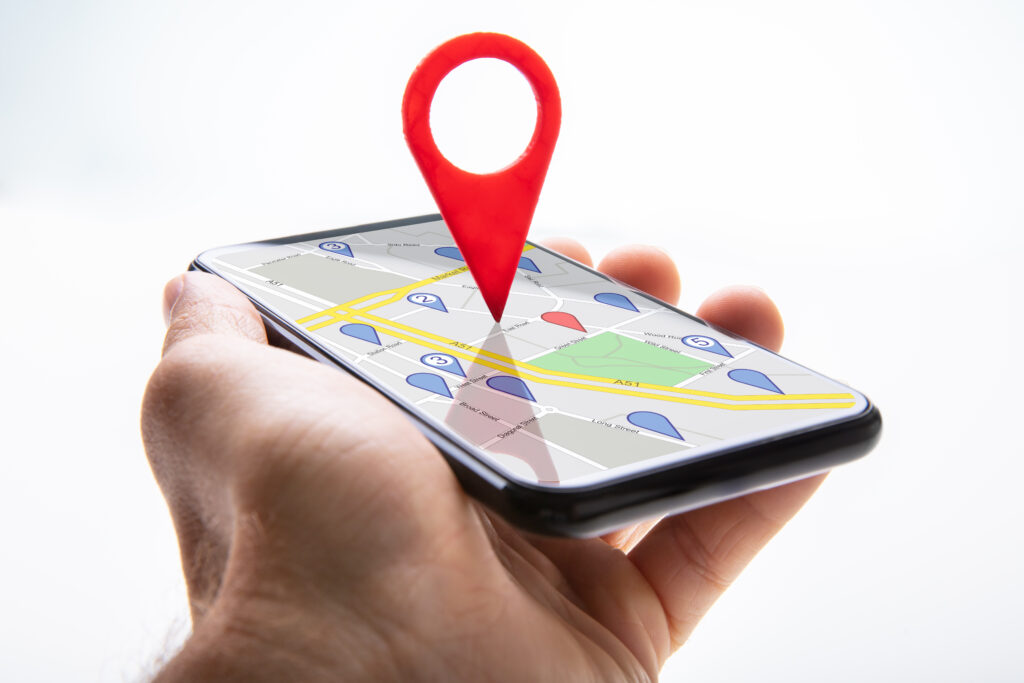
To rank on Google Maps in 2026, you need a fully optimized Google Business Profile — complete with accurate business information, consistent reviews, active weekly posts, detailed service descriptions, and plenty of photos. That’s always been true, but Google’s new Ask Maps feature, powered by Gemini AI, has made it more urgent than ever. Ask Maps now answers natural-language questions directly inside Google Maps, pulling recommendations from business profiles and reviews. The businesses it recommends are the ones with the strongest, most complete profiles. If yours isn’t one of them, you’re losing customers to competitors who are.
What Is Ask Maps — And Why Should Local Business Owners Care?
Google launched Ask Maps in March 2026 as part of its ongoing Gemini AI integration across its products. Instead of typing a business name or category and scrolling through pins, users can now ask Google Maps questions the way they’d ask a friend — things like “Who’s the best HVAC company near me available today?” or “Is there a plumber who can handle an emergency call in my area tonight?”
Google Maps generates a direct AI answer using its database of over 300 million places and reviews from 500 million contributors. No list of links, no scrolling through options — just a recommendation on a map, usually featuring one to a handful of businesses that best match the query.
For small local businesses, this is a double-edged development. On one hand, Ask Maps doesn’t (yet) have paid ads — so it’s one of the few places where a well-run local business with a great profile can outcompete a big competitor with a bigger budget. On the other hand, if your Google Business Profile is incomplete, outdated, or low on reviews, you simply won’t appear. There’s no shortcut. If you’ve been struggling with local SEO, Ask Maps is a wake-up call to get serious about it now.
How to Rank on Google Maps: What Ask Maps Changes (and What It Doesn’t)
The good news is that the fundamentals of how to rank on Google Maps haven’t changed — they’ve just become more important. Ask Maps pulls from the same signals Google has always used to evaluate local businesses: relevance, proximity, and prominence. What’s different is that AI is now filtering those signals to match conversational queries, which means the details in your profile matter even more than before.
Here’s what Ask Maps is specifically pulling from when generating its recommendations:
1. Your Reviews — Volume and Recency Both Matter
Ask Maps uses review content, not just star ratings, to understand what your business does well. A plumber with 80 reviews that mention “fast response,” “emergency repairs,” and “fair pricing” is going to match conversational queries far better than one with 10 reviews that simply say “great service.” Getting a steady flow of new reviews — not just a burst of them years ago — signals that your business is active and trustworthy.
2. Your Business Description and Services
When a homeowner asks Ask Maps “Who fixes burst pipes near me at night?” the AI is matching that question against the language in your profile. If your business description just says “Plumbing Company” with nothing else, you’re invisible to that query. If it says “Emergency plumbing services available 24/7, including burst pipes, water heater replacement, and drain cleaning,” you’re a strong match. Write your description and services the way your customers ask questions, not the way you’d describe yourself in a brochure.
3. Photos and Regular Activity
Google uses engagement signals from your profile — photo views, clicks, calls, direction requests — as part of its ranking criteria. Profiles that are regularly updated with new photos and posts show Google that the business is active and worth surfacing. This has always mattered for standard Maps rankings, and it carries over to Ask Maps recommendations. Aim to post at least once a week and add fresh photos from recent jobs consistently.
4. Accurate and Complete Business Information
Hours, phone number, website, service area, categories — all of it needs to be current and accurate. Ask Maps personalizes results based on user activity and location, so if your service area isn’t defined properly or your hours are wrong, you may not appear for searches happening right in your neighborhood. This is basic hygiene, but it’s surprising how many local business profiles have outdated information that quietly costs them visibility every day.
The Window You Have Right Now
Ask Maps launched without paid ads. Google executives have declined to confirm whether businesses will eventually be able to pay for placement in AI-generated recommendations. That ambiguity is actually an opportunity for small businesses right now. The playing field is temporarily level — what gets recommended is based on profile strength, not ad budget.
That window may not last forever. Once monetization enters the picture, larger competitors with bigger ad budgets will have an advantage. The businesses that win long-term will be the ones who built a strong foundation before the rules changed. We’ve written a more detailed guide on how to get cited in AI answers that covers the broader picture of how AI search features like this pull recommendations — it’s worth reading alongside this one.
For home service businesses especially — plumbers, HVAC companies, electricians, landscapers, roofers — the stakes are particularly high. These are high-intent, high-urgency searches. When someone asks Google Maps for an emergency plumber, they’re not browsing. They’re ready to call. Being the business that shows up in that moment is worth far more than a hundred impressions on a social media post.
Google Business Profile Optimization: Where to Start
If you’re not sure where your profile stands, start with a quick audit. Check that every section is filled out completely — categories, services, description, hours, phone number, website, and service area. Then look at your reviews: when was the last one? If it was more than a few months ago, you need a system to generate new ones consistently. Finally, check your photo count and your last post date. If it’s been quiet for a while, that’s a signal Google is likely picking up on.
Google Business Profile optimization is one of the highest-ROI things a local business can do because it’s free traffic from people who are actively looking for what you offer. Our guide to ranking in Google Maps walks through the full process step by step. And if you want to understand the bigger local SEO picture that your Maps presence fits into, our local SEO services page explains how we approach this for businesses across the region.
Don’t Wait for Your Competitors to Figure This Out First
Ask Maps is rolling out now. The businesses that take their Google Business Profile seriously in the next few months are the ones that will own the top spots in AI-generated recommendations before the feature becomes crowded and monetized. It’s the same pattern we saw when Google Maps first launched local pack results years ago — early movers built a lead that took their competitors years to close.
If you’re not sure where your profile stands or you want help building the kind of presence that gets recommended by AI search features, contact us today. We’ll take a look at your current setup and show you exactly what needs to happen to get your business showing up where your customers are looking.